


Using a face wash with salicylic acid is one of the most consistently recommended steps for managing acne, blackheads, and excess oil in India's climate. At 1-2% concentration in a rinse-off cleanser, it is well-studied, low-risk, and effective with regular, consistent use. But the results you get depend heavily on how you use it - the right timing, frequency, and routine order make as much difference as the product itself. This guide covers the complete picture.
Quick Answer
- Use once or twice daily - oily and acne-prone skin can handle both morning and night; sensitive skin should start with 3-4 times a week
- Morning is the better time for most people; use it at night only if you are also doing a second cleanse to remove sunscreen and pollution
- Always follow with moisturiser - SA increases cell turnover and a barrier-supporting moisturiser prevents over-drying
- Niacinamide serum pairs well directly after; retinol should be kept on alternating nights to avoid over-exfoliation
- Lather for 60 seconds before rinsing - do not leave it on as a treatment mask
- Use SPF 30+ sunscreen every morning - SA speeds up surface cell renewal, making fresh skin more UV-sensitive
Using a face wash with salicylic acid is one of the most consistently recommended steps by Indian dermatologists for managing acne, clogged pores, and excess oil - especially in India's humid climate where sebum production runs higher through most of the year. The ingredient is well-studied, the risk profile is low at 1-2% concentrations in a rinse-off cleanser, and the results with regular, correct use are reliable. What separates people who see clear results from those who experience dryness or irritation is almost always how they use it, not the product itself. This guide covers the complete picture: timing, frequency, routine order, pairings, and how to adjust by skin type.
Why Salicylic Acid Face Wash Works the Way It Does
Salicylic acid is a beta-hydroxy acid (BHA). Unlike alpha-hydroxy acids (AHAs) such as glycolic or lactic acid, which are water-soluble and work on the skin surface, salicylic acid is oil-soluble - meaning it dissolves in sebum and travels inside the hair follicle to exfoliate the pore lining from within. This is the key reason it works on blackheads, whiteheads, and acne papules in a way that most surface-active cleansers do not.
At 1-2% concentrations in a rinse-off face wash, it exfoliates gently without stripping the skin barrier. Because it rinses off, the exposure time is short - typically under two minutes - which significantly reduces the risk of over-exfoliation compared to leave-on SA serums or toners. Research published in Clinical, Cosmetic and Investigational Dermatology (Arif, 2015) confirms that 0.5-2% salicylic acid is effective as both an anti-acne and mild peeling agent, with a well-established safety profile for regular use when correctly formulated.
A second reason SA face washes outperform regular cleansers for acne-prone skin: salicylic acid has mild anti-inflammatory and keratolytic properties. It softens the keratin plugs that block pores and calms the redness around early-stage pimples. This combination of exfoliation and inflammation control means consistent use (4-6 weeks minimum) produces a visible reduction in breakout frequency - not just a cleaner feeling after each wash.
Morning, Night, or Both? The Best Time to Use It
For most people with acne and oily skin, morning is the better slot. Skin accumulates sebum and dead skin cells overnight; a salicylic acid wash in the morning removes this buildup before sunscreen and any makeup are applied, giving you a clean base with unblocked pores. It also means the mildly exfoliated skin cells are being shed at the start of the day rather than sitting on the skin's surface.
Night use is appropriate if you want a second cleanse to remove sunscreen residue, pollution, and end-of-day sebum. This is a common routine for people living in Indian metros where PM2.5 and particulate buildup through the day is significant. The one situation where night use is the better single slot: if you use retinol or a prescription retinoid in the evenings. Retinol also increases cell turnover, and using both in the same session compounds dryness and peeling - particularly for Fitzpatrick IV-V skin tones that are more prone to post-inflammatory hyperpigmentation from barrier disruption. In this case, use your SA face wash in the morning and retinol at night as separate steps.
Using SA face wash both morning and night is fine for genuinely oily, acne-prone skin - once you have confirmed your skin tolerates it without tightness, flaking, or visible dryness after two weeks of once-daily use.
How Often Should You Use It by Skin Type
Frequency is not one-size-fits-all. Oily skin produces more sebum and can generally handle more frequent exfoliation; sensitive skin needs a slower introduction and sustained lower frequency. The table below gives a practical starting point.
| Skin Type | Recommended Frequency | Notes |
|---|---|---|
| Oily / Active acne | Once or twice daily | Start once daily; escalate to twice daily after 2 weeks if no dryness |
| Combination | Once daily (AM) | Use a gentle hydrating cleanser at night to avoid over-drying the drier zones |
| Normal (mild acne) | Once daily | Consistent daily use gives the most reliable results over 4-6 weeks |
| Sensitive or dry | 3-4 times per week | Start with 1% SA only; increase frequency only if well tolerated after 3 weeks |
| Teenagers (oily) | Once daily | 1% SA is the right starting concentration; increase to 2% only if needed |
The general rule across all skin types: start at lower frequency than you think you need, and increase only when two consecutive weeks show no tightness, flaking, or increased sensitivity. It is significantly easier to increase frequency later than to repair barrier damage from over-exfoliation.
The Right Order in Your Skincare Routine
The salicylic acid face wash goes first - on bare, dry skin before any other product. Applying it over moisturiser, toner, or sunscreen from the previous day reduces its direct contact with the skin surface and dilutes the exfoliating action. Wet your face, apply the cleanser, lather for 60 seconds with gentle circular motions, then rinse with lukewarm water (not hot - heat increases dryness post-wash). Pat dry before moving to the next step.
| Step | Morning Routine | Evening Routine |
|---|---|---|
| 1 - Cleanse | Salicylic acid face wash (60 sec) | SA face wash, or gentle cleanser if you use retinol tonight |
| 2 - Tone (optional) | Alcohol-free toner | Alcohol-free toner |
| 3 - Treat | Niacinamide serum or lightweight treatment serum | Niacinamide serum, or retinol on alternating nights |
| 4 - Moisturise | Lightweight gel or lotion moisturiser | Slightly richer cream moisturiser |
| 5 - Protect (AM only) | Broad-spectrum SPF 30+ sunscreen | - |
After rinsing and patting dry, a niacinamide serum is the most complementary next step. Niacinamide at 5-10% helps regulate sebum production, strengthens the skin barrier, and reduces the redness that can follow BHA cleansing - the two ingredients work on the same skin concerns from different angles without interfering with each other. Follow niacinamide with a lightweight moisturiser before sunscreen. In the morning, sunscreen is non-negotiable: salicylic acid increases surface cell renewal, which makes fresh skin cells marginally more UV-sensitive.
What Works Well With It - and What to Approach Carefully
Niacinamide (already covered above), lightweight gel moisturisers, and broad-spectrum sunscreens are ideal pairings. These three steps address the full cycle of what SA starts: it unclogs pores and reduces active acne; niacinamide controls sebum and redness; moisturiser maintains the barrier; SPF prevents acne marks from hyperpigmenting further under UV exposure - a particular concern for deeper Indian skin tones where post-inflammatory hyperpigmentation (PIH) is common.
The one combination that requires deliberate scheduling is retinol. Both SA and retinol accelerate skin cell turnover - using them in the same session is not harmful, but it significantly increases the chance of dryness, peeling, and the kind of barrier disruption that produces PIH in Fitzpatrick IV-V skin. The practical fix is simple: SA face wash in the morning, retinol at night; or retinol on alternating evenings with a gentle cleanser on those nights. Either approach lets both ingredients work at full effect without competing.
Strong leave-on AHAs - glycolic acid toners, lactic acid pads - also benefit from spacing rather than same-session layering. This is not because the combination is unsafe, but because layering multiple exfoliating actives daily does not improve results proportionally and does increase the chance of barrier disruption, particularly in the post-monsoon period when Indian skin tends to be more reactive.
Choosing Between 1% and 2% - and What Skin Type Fits Each
For sensitive and reactive skin, 1% SA is the right and only starting point. It provides effective pore-clearing exfoliation without the dryness or mild stinging that some people experience with 2% formulas, particularly at the start of a routine. The 1% also suits skin that is transitioning off prescription acne treatments and needs a maintenance-level exfoliant rather than an aggressive one.
For persistently oily skin, visibly enlarged pores, active comedonal acne (blackheads and clogged pores rather than inflamed pimples), or skin that has used SA for several months without issue, 2% gives a more noticeable result - cleaner pores over time, less shine through the day, and a more even skin texture. The 2% is not significantly more irritating for well-adapted oily skin; the difference is mainly in the depth of exfoliation rather than the irritation risk.
A practical signal to watch for: if your skin feels tight or slightly uncomfortable within five minutes of washing, that is a cue to either reduce frequency by one step or switch from 2% to 1%. Tightness is the early sign of over-exfoliation - before visible dryness or flaking - and catching it at this stage means the correction is easy.
Best Salicylic Acid Face Washes in India

The Derma Co 2% Salicylic Acid Gel Face Wash
Formulated at 2% salicylic acid with witch hazel, this gel face wash is built for oily and acne-prone skin with active breakouts. The 2% concentration gives it deeper pore-clearing action compared to lower-strength formulas - effective for blackheads, congested pores, and recurring papules. The witch hazel base adds a mild astringent effect that tightens pores post-wash. Best used once daily in the morning; can move to twice daily once skin is well-adapted.
2% Salicylic Acid Gel Face Wash →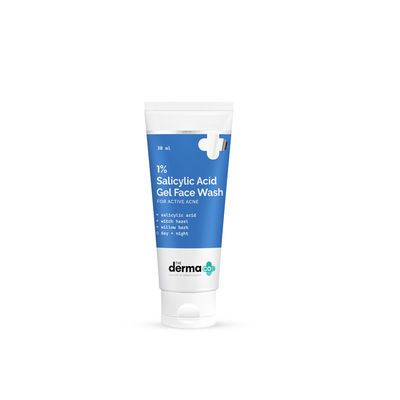
The Derma Co 1% Salicylic Acid Gel Face Wash
The gentler entry into SA cleansing, suited for combination to oily skin and anyone starting a BHA routine for the first time. At 1%, it effectively removes excess sebum, unclogs pores, and gently exfoliates without the tightness that higher concentrations can cause at the beginning. With nearly 10,000 ratings, it is one of the most widely reviewed salicylic acid face washes in India - a reliable baseline for daily use before deciding whether to step up to 2%.
1% Salicylic Acid Gel Face Wash →
The Derma Co 1% Salicylic Acid Foaming Daily Face Wash with SA, Zinc PCA & PHA
This foaming formula adds two meaningful ingredients beyond the core BHA. Zinc PCA helps regulate sebum production at the sebaceous gland level - complementing the pore-clearing action of SA by reducing the amount of oil the skin produces over time. PHA (polyhydroxy acid) provides a secondary layer of gentle surface exfoliation that is mild enough for daily use and works well for skin types that find AHAs too strong. The combination makes this one of the more comprehensive options for oily skin looking to address both active congestion and long-term oil control.
1% Salicylic Acid Foaming Daily Face Wash →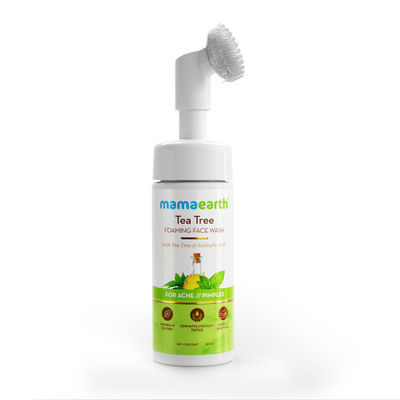
Mamaearth Tea Tree Foaming Face Wash with Tea Tree & Salicylic Acid
This dual-action foaming cleanser combines salicylic acid with tea tree oil - an ingredient with documented antibacterial properties relevant to C. acnes, the bacteria implicated in inflammatory acne. The foaming texture suits oily skin particularly well, rinses cleanly, and leaves no residue. At 150ml it is one of the larger format options in this category, making it practical for daily twice-daily use. MADE SAFE certified and dermatologically tested for Indian skin.
Tea Tree Foaming Face Wash →Frequently Asked Questions
How many times a day should I use salicylic acid face wash?
Should salicylic acid face wash be used morning or night?
Should I moisturise after using salicylic acid face wash?
Can I use salicylic acid face wash and niacinamide serum together?
How long should I leave salicylic acid face wash on my face?
Can I use salicylic acid face wash with retinol in my routine?
Can teenagers use salicylic acid face wash daily?
Should I use sunscreen after salicylic acid face wash?
References
- Arif T. Salicylic acid as a peeling agent: a comprehensive review. Clin Cosmet Investig Dermatol. 2015;8:455-461. doi:10.2147/CCID.S84765
- Zaenglein AL, et al. Guidelines of care for the management of acne vulgaris. J Am Acad Dermatol. 2016;74(5):945-973.e33. doi:10.1016/j.jaad.2015.12.037
- Del Rosso JQ. The role of moisturizers as an integral component of topical therapy for acne vulgaris. J Clin Aesthet Dermatol. 2013;6(2):26-31. PMID:23556033
- Kraft J, Freiman A. Management of acne. CMAJ. 2011;183(7):E430-E435. doi:10.1503/cmaj.090374
- Shalita AR. Acne revisited. Arch Dermatol. 1994;130(3):363-364. doi:10.1001/archderm.1994.01690030107019
- Rittie L, Fisher GJ. UV-light-induced signal cascades and skin aging. Ageing Res Rev. 2002;1(4):705-720. doi:10.1016/s1568-1637(02)00024-7


